
7 Ways Commercial Visual AI Transforms Business Workflows
The Friction in Your Visual Content Pipeline is a Workflow Problem
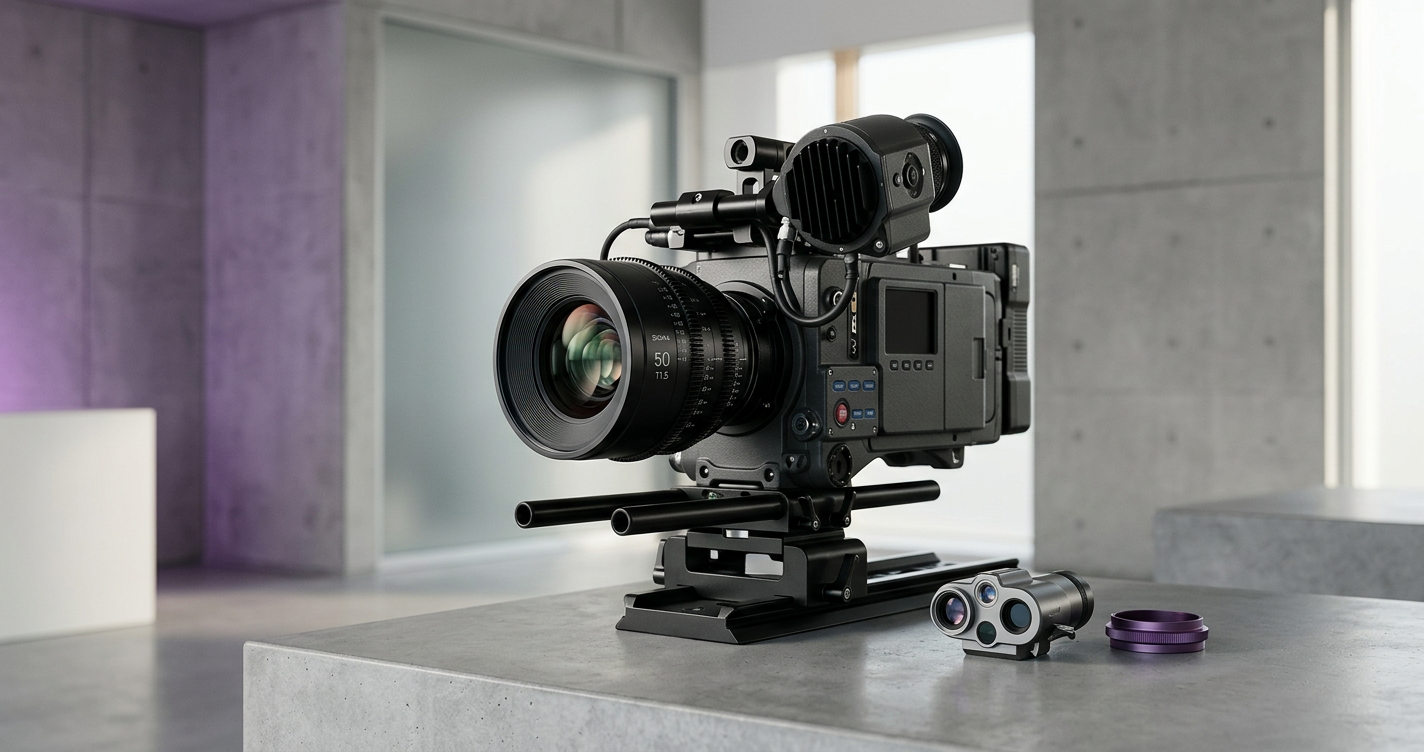
Another creative brief lands on your desk. The request is simple: a new set of visuals for an upcoming product launch. Yet, the path to delivery is anything but. It’s a familiar, grinding process of coordinating photoshoots, managing freelance talent, endless editing cycles, and painstaking brand compliance reviews. This friction - the lag between a creative idea and a production-ready visual - is a fundamental workflow challenge. It consumes budgets, slows down campaigns, and frustrates creative professionals who want to create, not coordinate.
Generative AI was supposed to be the answer. With the tap of a key, you can generate a dozen visual concepts. But for professional teams, this initial burst of creativity often leads to a different kind of friction. The output is off-brand, the quality isn’t suitable for commercial use, and a shadow of legal uncertainty hangs over every visual. The problem is that most generative AI tools are designed as creative novelties, not as integral parts of a business workflow. They generate content, but they don’t solve the underlying operational hurdles.
A true commercial visual AI model approaches the problem differently. It’s not just about creating a single, stunning visual. It’s about re-architecting the entire content lifecycle for speed, control, and commercial safety. It’s infrastructure. Here are seven ways this approach transforms core business workflows.
1. Automating AI Product Photography Workflows
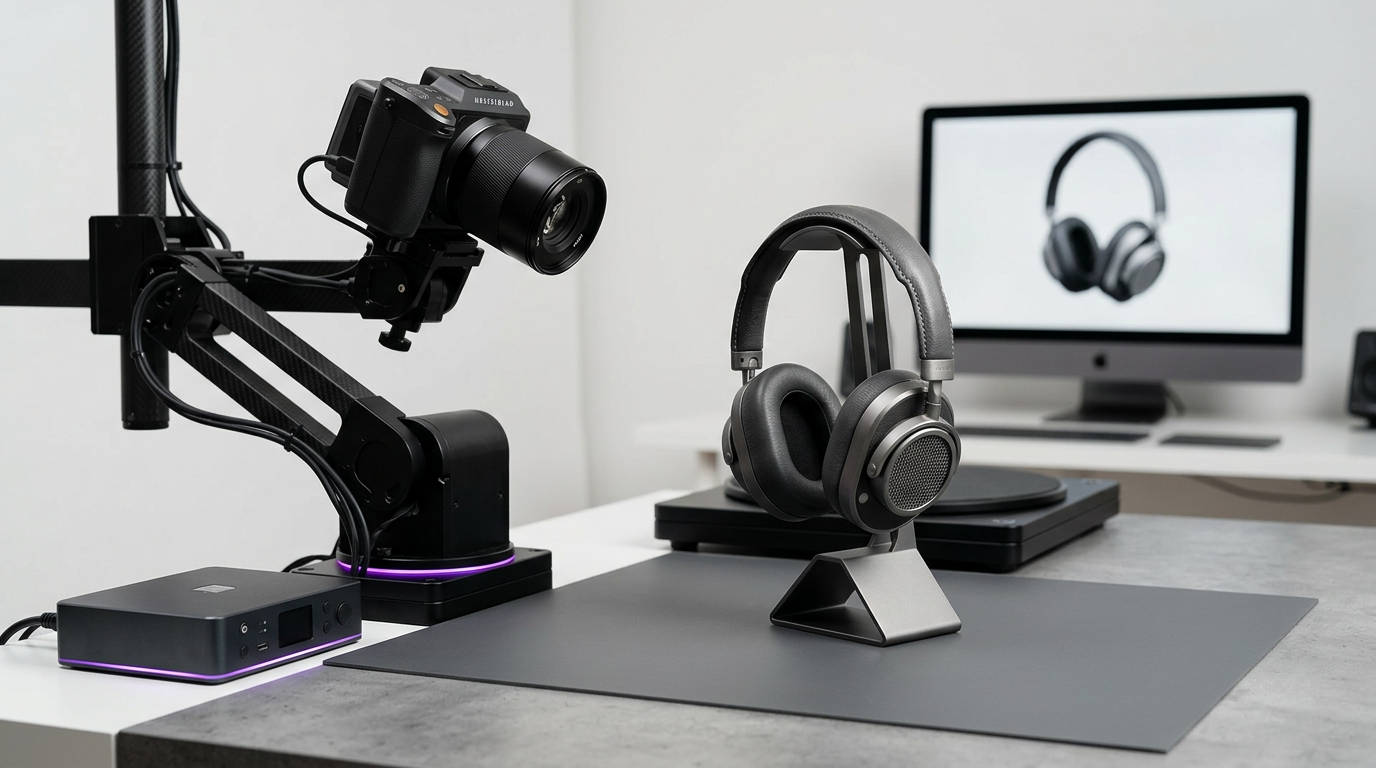
The traditional product photography workflow is notoriously resource-intensive. It involves shipping physical products, booking studios and photographers, setting up complex lighting, and extensive post-production editing to ensure consistency. This process can take weeks or even months, creating a significant bottleneck for e-commerce and marketing teams.
Commercial visual AI completely redesigns this workflow. Instead of relying on physical shoots, teams can use a few high-quality captures of a product to generate an infinite number of variations. This is a core example of generative ai for business moving from concept to utility.
The new workflow looks like this:
- Input: A product manager uploads a product SKU and its corresponding 3D model or a set of reference photos into a DAM or PIM system.
- Direction: A creative director uses an API-connected tool to place the product in a variety of pre-approved, brand-compliant scenes, directing the AI on lighting, shadows, and background context.
- Output: The system generates hundreds of AI product photography visuals, perfectly on-brand and ready for different e-commerce listings, ad formats, and social media channels. The output is consistent, scalable, and delivered in minutes, not months.
2. Accelerating Marketing Campaign Development
Developing a multi-channel marketing campaign involves creating a vast array of visual assets, each tailored to a specific format and audience segment. The old workflow required separate creative cycles for social media stories, programmatic display ads, email headers, and website banners. Every new concept or pivot meant going back to the drawing board.
A commercial visual ai model acts as a force multiplier for creative teams. It allows them to generate a wide spectrum of campaign assets from a single core creative concept. The focus shifts from manual production to strategic direction. A creative professional can direct the AI to adapt a central visual for different contexts, ensuring a cohesive yet platform-native campaign experience. This transforms the workflow from a series of linear, siloed production tasks to a parallel, iterative process, dramatically reducing the time from concept to launch.
3. How Can You Guarantee Brand Consistency Across All Visuals?
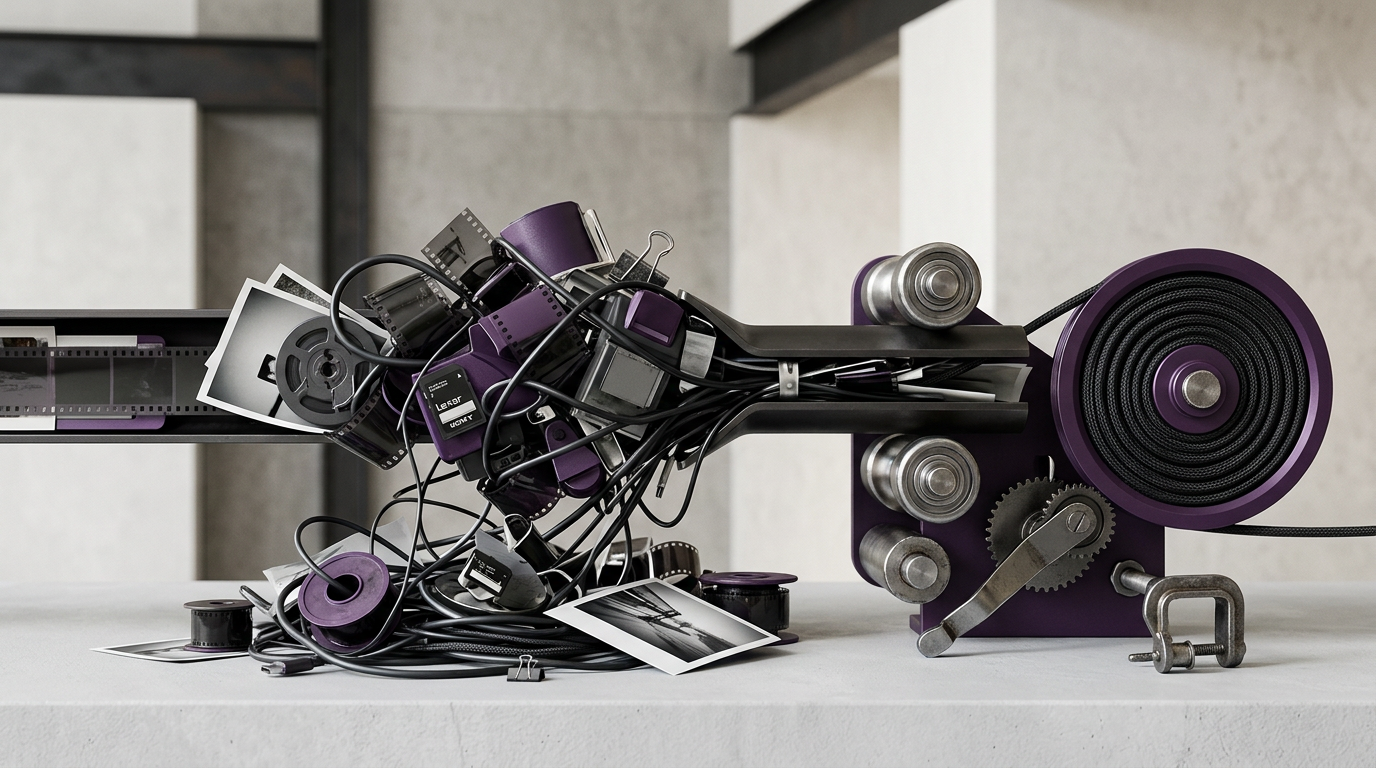
Brand consistency is the bedrock of customer trust, but it’s notoriously difficult to maintain when creating visuals production-ready. Manual brand reviews are subjective and time-consuming, acting as a constant brake on the content pipeline. Many standard AI image generators, trained on vast, uncontrolled internet data, only compound this problem, often producing visuals that clash with established brand guidelines.
A brand-specific AI approach, powered by a commercial-grade model, offers a structural solution. This involves creating custom ai models that are fine-tuned on a company’s existing brand assets, style guides, and product catalogs. The AI learns your brand’s unique aesthetic - its color palettes, lighting styles, compositions, and even the "feel" of its visuals.
This transforms the workflow by building brand compliance into the point of creation. Instead of generating a generic visual and trying to edit it into compliance, teams can direct an AI that already "thinks" within their brand’s visual language. This minimizes the need for manual review and ensures every output is inherently on-brand.
4. De-Risking Content with Copyright-Safe Generation
Legal risk is a massive barrier to the professional adoption of AI. The ongoing class-action lawsuits against models trained on copyrighted material without consent highlight the potential for ai copyright infringement. For a business, using a visual from a "black box" AI is a gamble; you have no visibility into the training data, leaving the company exposed to future legal challenges and demands for takedowns.
Commercial visual AI addresses this through licensed AI image generation. These models are built exclusively on rights-cleared data, where the original creators have been compensated and explicit permission has been granted for this use. This creates a clean chain of custody for every visual produced.
The workflow transformation is profound. It shifts the legal burden from the user to the provider. Instead of a business’s legal team having to vet every AI-generated visual, they can rely on the indemnification and legal assurance offered by the AI vendor. This focus on producing copyright safe ai visuals turns AI from a legal liability into a trusted business tool.
5. What Does True Visual Personalization at Scale Look Like?
Personalization has long been a goal for marketers, but visually, it has remained incredibly difficult to execute. Most campaigns still rely on a handful of persona-based visuals, which fail to connect with the diverse tastes of a broad audience. The workflow to create hundreds of tailored visuals manually is simply not feasible.
With a commercial visual ai model integrated via API, hyper-personalization becomes a reality. The workflow can be automated. For example, an e-commerce platform can generate product visuals that match a user’s geographic location, past browsing history, or even the time of day. An email marketing system can dynamically generate a unique header visual for every single subscriber based on their engagement data.
This is a shift from static asset creation to dynamic visual generation. The content is no longer a fixed object but a fluid element that adapts to the user, creating a more relevant and engaging customer experience.
6. Streamlining Global Content Localization
Adapting marketing campaigns for global markets is a costly and complex endeavor. It often requires expensive reshoots with local models and settings to ensure cultural relevance. This workflow is slow, expensive, and makes it difficult to maintain a consistent global brand message.
Commercial AI offers a far more efficient path. By using image-to-image and inpainting capabilities, teams can take a core campaign visual and seamlessly adapt it for different regions. This includes:
- Swapping out products to feature items sold in a specific market.
- Changing the backgrounds to reflect local environments.
- Modifying the appearance of AI-generated people to represent local demographics respectfully and accurately.
This workflow allows a central creative team to manage global campaigns with unprecedented control and efficiency, ensuring both local relevance and global brand integrity.
7. Powering Dynamic and Iterative Creative Testing
Which ad will perform better: the one with the blue background or the green one? The one with the product on the left or the right? Answering these questions through traditional A/B testing is a slow, manual process. You can only test a few variables at a time.
Commercial AI enables a new workflow of programmatic creative optimization. Instead of creating two or three variations, marketing teams can generate hundreds. These can be deployed through advertising platforms like Meta, which are increasingly using AI to automate ad delivery. The performance data from these tests can then be fed back to inform the next round of generation. This creates a powerful feedback loop where the AI helps professionals discover what resonates most with their audience, driving continuous improvement in campaign effectiveness.
Putting Commercial AI into Practice
These workflow transformations depend on choosing the right foundation. An effective professionals ai image generation strategy requires more than a simple text-to-image tool; it demands a robust infrastructure platform. For instance, platforms like Bria are built as visual AI infrastructure to address these challenges directly. They combine rights-clear foundation models (ensuring trust) with tools like Visual Generative Language (VGL) that give professional teams the precise control needed to direct output. This ensures visuals are not just novel but also on-brand and commercially safe. The API-first architecture emphasizes flexibility, allowing businesses to plug these capabilities directly into their existing DAMs, PIMs, or marketing automation systems, transforming workflows from the inside out.
Ultimately, the goal of a commercial visual AI model is to remove friction. It automates tedious production tasks, mitigates legal risk, and empowers creative professionals to focus on what they do best: building brands and telling compelling stories.
Scale your brand safely.
Get your Bria API Key and start generating responsible, licensed visual content today.
Get API Key